
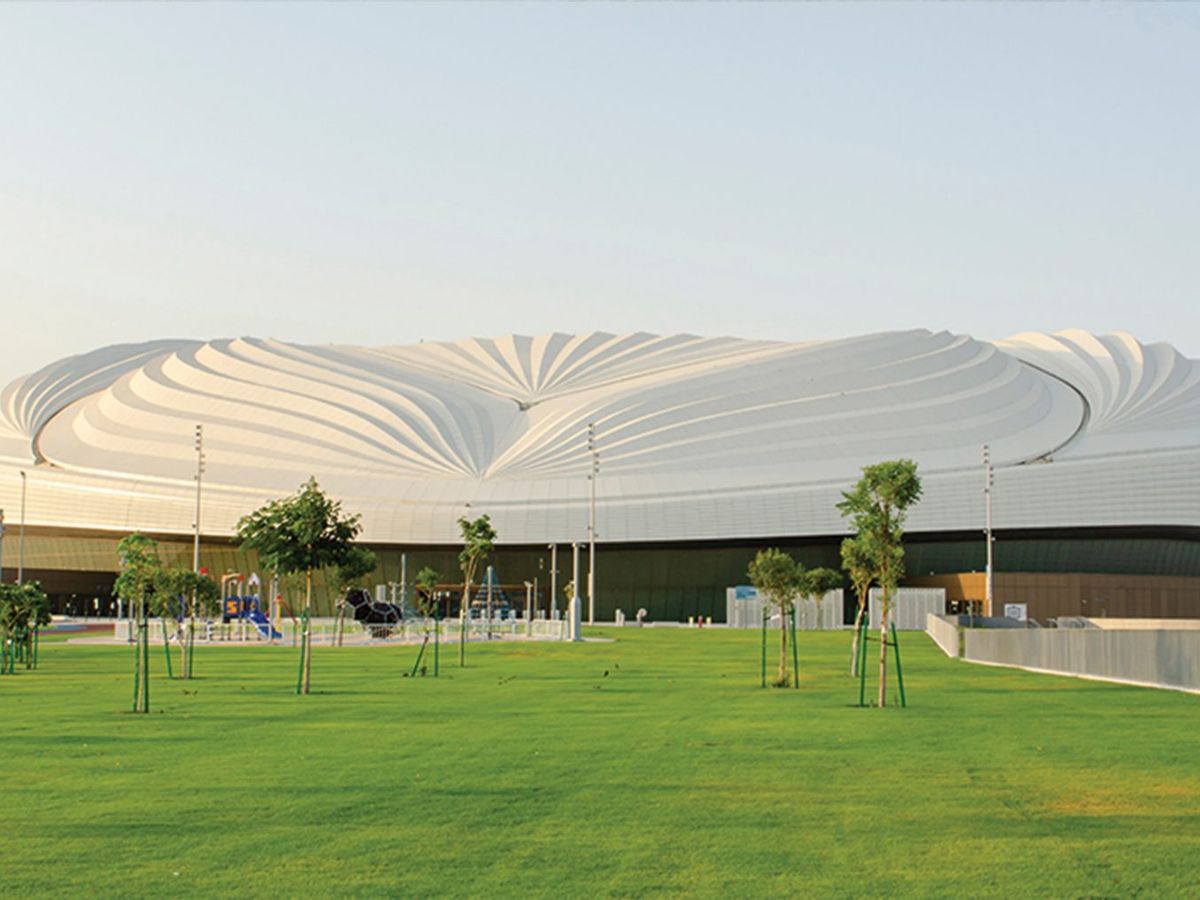
Standing seam metal roofs have become increasingly popular across various building types, including commercial, residential, industrial, and infrastructure structures, owing to their robustness, energy efficiency, and contemporary aesthetics. Nonetheless, the attainment of a successful installation that guarantees long-term performance hinges upon meticulous design considerations. In this article, we will delve into the vital factors crucial for the success of a standing seam metal roof project, with a specific emphasis on the pivotal role architects play in the design process.
Geographical Location
When contemplating the design of a standing seam roof system, the geographical location of the project site becomes a paramount factor. This location significantly impacts various aspects that can affect the overall performance and durability of metal panels:
Proximity to Coastlines and Exposure to Saltwater: Projects situated near coastlines or exposed to saltwater environments necessitate materials capable of resisting the corrosive effects of saltwater. High humidity levels, common in coastal areas, can accelerate metal corrosion.
Local Weather Patterns: The prevailing local climate, including factors such as precipitation, sun exposure, snowfall, and temperature fluctuations, must be meticulously assessed. Diverse weather conditions can influence the choice of metal materials, coatings, and insulation to ensure both energy efficiency and long-term robustness.
Resilience to Extreme Weather Events: In regions prone to severe weather phenomena like hurricanes, blizzards, tornadoes, sandstorms, or earthquakes, the roofing system must be engineered to withstand these conditions. Roofing materials, fasteners, and other methods must meet local building codes to guarantee the safety and structural integrity of the building.
Compliance with Building Codes and Regulations: Adherence to local and state building codes and regulations is of utmost importance. These codes outline specific requirements related to wind resistance, fire ratings, and energy efficiency, which can substantially impact the roofing system's design and construction.
Facility Classification
The classification of the facility holds substantial importance in establishing the precise prerequisites for the standing seam metal roof. Take into account various factors, including:
Thermal Insulation (U Value Requirement): Different facilities often have diverse thermal insulation requirements, necessitating compliance with energy efficiency standards and climate control objectives.
Acoustic Performance Criteria: Depending on the intended purpose of the facility (e.g., commercial and industrial), acoustic performance may play a significant role, requiring distinct design considerations.
Geometrical Shape of the Building
The shape and layout of the building can have an impact on the installation and design of the standing seam metal roof. Consider aspects such as:
Roof Configuration: Whether it's a flat roof, sloped roof, or a complex architectural design, the roof's geometry affects the roofing system's installation.
Drainage: Effective drainage design is essential to prevent water pooling and potential water damage.
Architectural Configuration of the Structure and Purlin Spacing
The architectural configuration of the building, along with the spacing between purlins, plays a pivotal role in the design of the standing seam metal roof. Consider the following aspects:
Roof Structure: Whether it takes the form of a flat roof, a sloped roof, or incorporates intricate architectural details, the roof's geometry significantly influences the design of the roofing system.
Purlin Spacing: The spacing between purlins, an essential structural component, directly impacts the roof's integrity and load-bearing capacity. Thoughtful consideration of this spacing ensures alignment with local building codes and standards.
Drainage System: The thoughtful design of the drainage system by the architect is essential to prevent water accumulation and reduce the risk of potential water-related damage.
Having assessed all of the aforementioned factors, it is now appropriate to delve further into additional considerations and the process of selecting material properties as follows:
Metal Deck Selection
The metal Deck/Liner is the initial layer composing the standing seam, and it holds significant importance as the starting point for designing the entire build-up. Thoroughly preparing and choosing the appropriate metal deck is essential for the success of the chosen roofing system. Typical deck substrates include steel and aluminum. The choice of substrate and its depth depends on various factors, including load-bearing capacity, purlin spacing, moisture resistance, and the building's geometry.
Top Sheet Material Selection
Careful consideration of the top sheet material is a pivotal aspect of roofing decisions. At Kingspan, we present an array of metal options for standing seam roofs, each distinguished by its own unique traits and advantages. Among these choices, Aluminum rises as the favored selection for several compelling reasons:
Acknowledged for its exceptional attributes, aluminum is known for its lightweight nature, making it an optimal choice. Its notable resistance to corrosion, particularly in coastal and marine settings, makes it a standout selection. Its inherent resistance to rust positions it as a low-maintenance, enduring choice.
Aluminum's high malleability grants it the capability to be effortlessly molded into diverse shapes and profiles, providing adaptability to suit architectural and design prerequisites.
Aluminum's outstanding solar reflectivity minimizes heat absorption, contributing to enhanced energy efficiency, especially in warmer climate condition.
An environmentally conscious choice, aluminum is fully recyclable, promoting sustainable construction practices and eco-friendly building standards.
As a non-combustible material, aluminum offers inherent fire resistance, prioritizing safety in line with fire code regulations.
Aluminum's compatibility with a wide spectrum of coatings and finishes empowers architects and designers, granting them the flexibility to achieve their desired visual aesthetics.
In addition to aluminum, we offer alternative material choices such as steel, copper, zinc, titanium zinc, and brass. When considering the top sheet material for your roofing project, align your choice with the project's aesthetic objectives, budget considerations, and environmental context.
Areas of Concern
Certain specific aspects of the roofing project require careful attention and should not be overlooked. These considerations may encompass:
Roof Penetrations: It is essential to pay close attention to proper detailing around roof penetrations, such as chimneys, vents, skylights, and HVAC equipment, to prevent leaks and maintain the structural integrity of the roof.
Flashing and Edge Details: Particular emphasis should be placed on the proper design and installation of flashing and edge details to ensure effective water shedding and protection against water infiltration.
Maintenance and Access: It is important to assess the ease of access for routine maintenance and repairs, as well as the potential installation of rooftop equipment and systems in the future.
Relevant Testing Requirements
Lastly, testing and performance requirements may vary depending on the project's location and specific demands. It is essential to ensure that the chosen standing seam roof system has undergone rigorous testing for factors such as wind uplift resistance, fire ratings, and impact resistance. Compliance with industry standards and certifications is indispensable to guarantee the system's overall performance and longevity.
In conclusion, the success of standing seam metal roofs depends on a comprehensive assessment of various key factors and considerations. Collaboration with experienced professionals and reputable manufacturers, such as Kingspan, is of utmost importance for making well-informed decisions.
For more technical information, please contact the Kingspan Tech-eXchange team and refer to the latest technical datasheet for KingZip SF.
Stay tuned for our upcoming article, where we will delve into additional factors, including insulation selection, halters, vapor control layers, and more, to provide a more in-depth insight into roofing system design and its significant considerations.