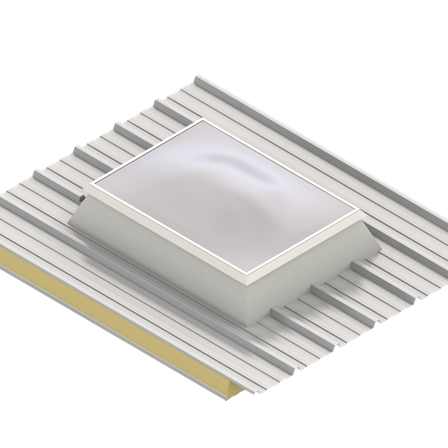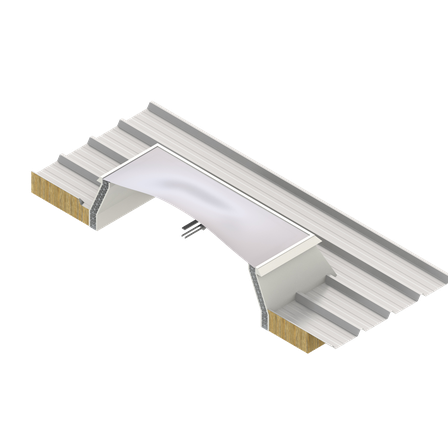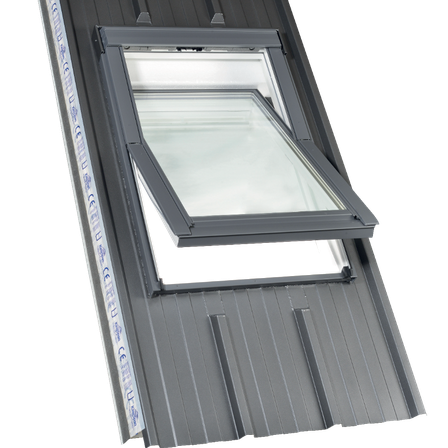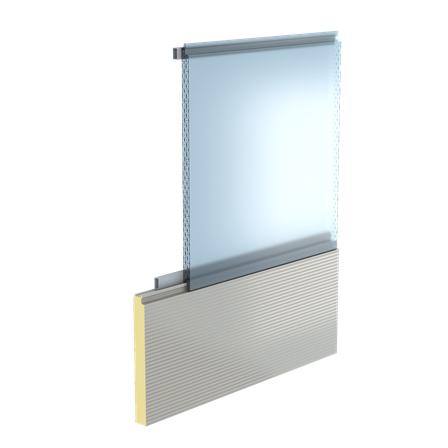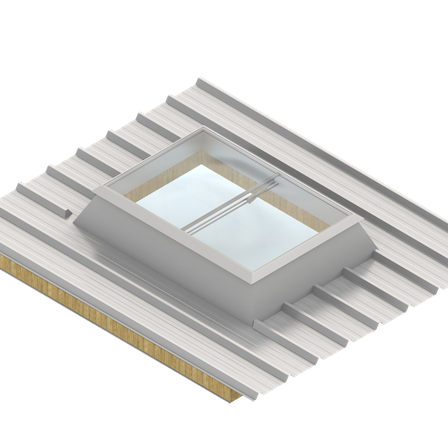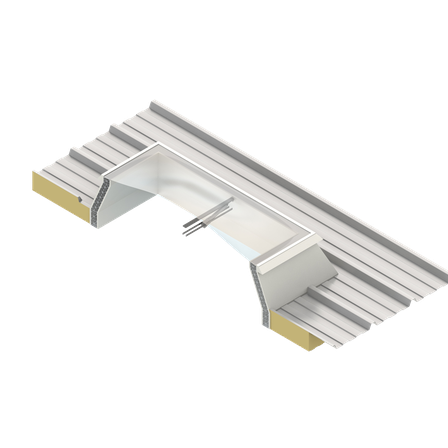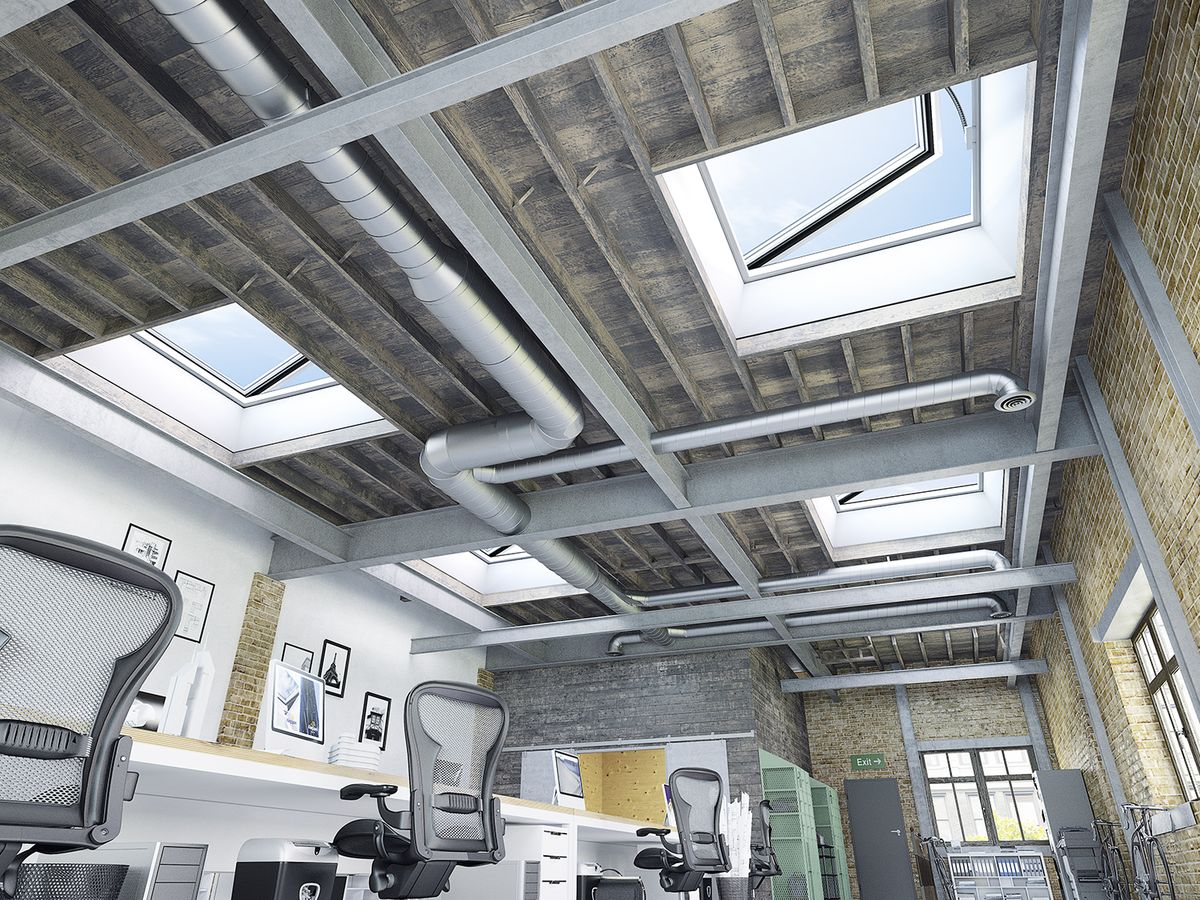
Daylight and ventilation are important factors in building design, influencing occupant comfort, health, wellbeing and productivity. Access to natural light and fresh air can help create indoor environments that support learning, recovery and workplace performance. As a result, these aspects should be considered alongside other building performance requirements during the design process.
Educational facilities provide a clear example of the relationship between indoor environmental quality and occupant outcomes.
Daylight and Learning Environments
In 1999, the Heschong Mahone Group conducted a comprehensive study investigating the relationship between daylight levels in classrooms and the academic performance of more than 21,000 elementary school students in the United States. The study found that students in classrooms with abundant daylight progressed 20% faster in maths tests and 26% faster in reading tests.
Several factors may contribute to these outcomes:
Daylight entering through windows and rooflights is more diffuse than artificial ceiling lighting and provides more even illumination of people and objects.
Natural daylight contains all the colour wavelengths visible to the human eye. It is an ideal light source for colour rendering, enabling students to distinguish colours and shades more clearly and engage more effectively with teaching materials.
High levels of natural daylight support children's natural circadian rhythms, helping them stay more alert and ready to learn during the day while improving sleep quality at night.
Artificial lighting, particularly fluorescent lighting, can create noticeable flicker that may distract students. This can also contribute to headaches and eye strain.
Effective daylight design requires a balanced approach. While access to natural light can provide significant benefits, excessive solar gain and glare may reduce visual comfort and increase indoor temperatures. These factors can be managed through appropriate building orientation, shading strategies and the use of translucent daylighting materials.
Ventilation and Indoor Air Quality
Adequate ventilation is an important contributor to indoor environmental quality. Research examining classroom environments has shown that increased ventilation rates can improve the speed and accuracy of student performance across a range of cognitive tasks.
Poor indoor air quality, resulting from indoor and outdoor pollutants, may contribute to headaches, eye, nose and throat irritation, fatigue and reduced concentration. Children can be particularly susceptible due to their higher respiratory rates relative to body weight. In densely occupied spaces such as classrooms, elevated CO₂ concentrations may also affect occupant comfort and performance.
Architects can support effective natural ventilation in several ways:
The integration of natural ventilation strategies, including windows and rooflights
High-level openings that promote the removal of warm, stale air
User-controlled ventilation systems that allow occupants to respond to changing conditions
Appropriate room proportions and ceiling heights
Mechanical ventilation systems, including heat recovery technologies where required
Benefits of Natural Light and Ventilation
The potential benefits of daylight and ventilation are not limited to educational buildings.
Studies of healthcare environments indicate that access to daylight may contribute to improved patient outcomes, including reduced stress and shorter recovery periods following treatment.
In workplace environments, optimised ventilation has been associated with improvements in cognitive performance, including decision-making, information processing and strategic thinking. Employees in environments with optimised ventilation have demonstrated 31% better performance in crisis management tasks, 299% better performance in information usage and 288% better performance in strategic thinking. Access to natural light is also frequently identified by employees as an important workplace characteristic. According to a recent YouGov survey, one in three workers in the UK would like better access to natural light in the workplace.
Daylighting and ventilation strategies can also provide economic benefits. In addition to reducing reliance on artificial lighting and mechanical ventilation, the World Green Building Council reported that building owners value healthy buildings at least 7% higher than standard buildings. Healthy buildings may also be easier to lease and can support higher returns.
Supporting High-Performance Buildings
A growing body of research highlights the relationship between indoor environmental quality and occupant wellbeing. By incorporating effective daylighting and ventilation strategies, architects and designers can help create buildings that support occupant comfort, learning, recovery and productivity, while contributing to overall building performance throughout the building lifecycle.