Transforming the European Building Sector
The European Union (EU) is committed to addressing climate change and supporting the transition towards a sustainable, low-carbon future. As part of this effort, the Energy Performance of Buildings Directive (EPBD) was revised in 2024 under Directive (EU) 2024/1275, with the aim of accelerating the transformation of the EU building sector.
The revised EPBD sets a clear direction towards a highly energy-efficient and decarbonised building stock by 2050. It places strong emphasis on reducing greenhouse gas emissions, lowering energy consumption, improving the performance of existing buildings and increasing the use of renewable energy in buildings.
Progressive Reduction of Greenhouse Gas Emissions and Energy Consumption
The revised EPBD sets ambitious objectives:
Climate neutrality by 2050: The Directive supports the EU’s objective of achieving a highly energy-efficient and decarbonised building stock by 2050.
Renovation focus: Particular attention is given to improving the performance of the worst-performing buildings, with the aim of reducing greenhouse gas emissions and energy consumption.
High-performance building envelopes: Greater emphasis is placed on reducing energy demand through improved building fabric, efficient technical systems and better integration of renewable energy technologies.
Life-Cycle GWP Reporting and EN 15978 Compliance
The updated EPBD introduces requirements linked to whole-life carbon assessment:
Life-cycle GWP calculation: Building owners will be required to calculate and report the life-cycle Global Warming Potential (GWP) of buildings, reflecting the carbon impact across the building life cycle.
Alignment with EN 15978: The methodology for assessing the life-cycle GWP of buildings is aligned with EN 15978, which provides a framework for evaluating the environmental performance of buildings.
Solar-Ready Buildings and Renewable Energy Integration
The revised EPBD strengthens the role of solar energy in buildings and introduces a phased approach to solar deployment:
New buildings should be designed to support the installation of solar technologies, where technically, economically and functionally feasible.
The Directive encourages the integration of photovoltaic and solar thermal systems on buildings, helping to reduce dependence on fossil fuels and support the wider use of renewable energy.
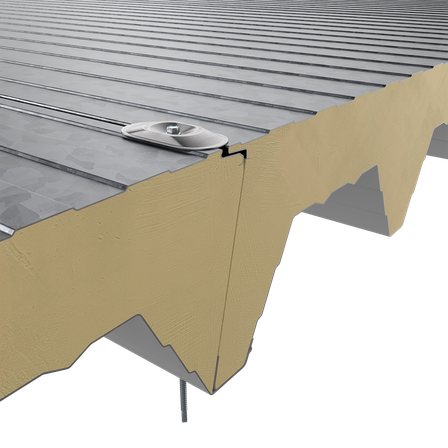
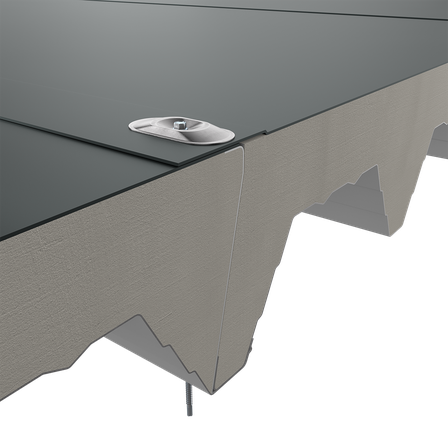
Solar-readiness is becoming an increasingly important consideration in the design of roofs, façades and building envelope systems.
Zero-Emission Standard for New Buildings
The EPBD introduces the concept of Zero-Emission Buildings (ZEBs) for new construction:
Public buildings: From 1 January 2028, new buildings owned by public bodies must meet the zero-emission building standard.
Other new buildings: From 1 January 2030, all other new buildings must meet the same standard, subject to specific exemptions.
Zero-Emission Buildings are buildings with very high energy performance, requiring zero or very low amounts of energy, producing zero on-site carbon emissions from fossil fuels and generating zero or very low operational greenhouse gas emissions.
Energy Performance Certificates and Greater Transparency
The Directive also strengthens the role of Energy Performance Certificates (EPCs):
EPCs provide owners, tenants and investors with information on the energy performance of buildings.
The revised EPBD aims to improve comparability and transparency of EPCs across the EU.
More consistent information on building performance will support better decision-making in renovation, investment and building operation.
Strategies for Building Renovation and Emissions Reduction
The updated EPBD encourages EU Member States to:
develop national building renovation plans,
support renovation strategies for energy-efficient buildings,
introduce renovation passport schemes to guide owners towards zero-emission buildings,
establish advisory and support centres for homeowners, building owners and SMEs planning renovation works,
focus renovation activity on the worst-performing buildings.
These measures are intended to make renovation more accessible, better planned and more closely aligned with the EU’s long-term decarbonisation objectives.
Fossil Fuel Boiler Incentives
The revised EPBD also introduces measures to reduce the use of fossil fuels in buildings. From 1 January 2025, Member States may no longer provide financial incentives for the installation of stand-alone boilers powered by fossil fuels.
This change supports the wider transition towards low-carbon heating technologies and more efficient building systems.
Implementation Timeline
The revised EPBD was adopted on 24 April 2024, published in the Official Journal of the European Union on 8 May 2024 and entered into force on 28 May 2024. Member States were required to transpose the Directive into national law by 29 May 2026, with implementation depending on national legislation and local building regulations.
Key milestones include:
2025: End of financial incentives for stand-alone fossil fuel boilers.
2028: Zero-emission standard for new buildings owned by public bodies.
2030: Zero-emission standard for all other new buildings.
2050: Target for a highly energy-efficient and decarbonised EU building stock.
The revised EPBD sets a clear pathway towards more sustainable, energy-efficient and low-emission buildings across the EU. Within this legislative framework, Kingspan’s mission remains aligned with the transition towards a lower-carbon built environment.
By focusing on high-performance building envelope solutions, energy efficiency, emissions reduction and healthier buildings, Kingspan supports the development of buildings that perform better for both people and the planet.
References:
[European Commission – Energy Performance of Buildings Directive (EPBD)] https://eur-lex.europa.eu/eli/dir/2024/1275/oj/eng
Note: The information provided is accurate as of the specified date and may be subject to further updates and approvals.